

Categories
Best Places to Live, Commuting & Transportation, Coastal Living, Family-Friendly LivingPublished October 21, 2026
Look Up: The Incredible Fall Migration Happening Over Connecticut This October

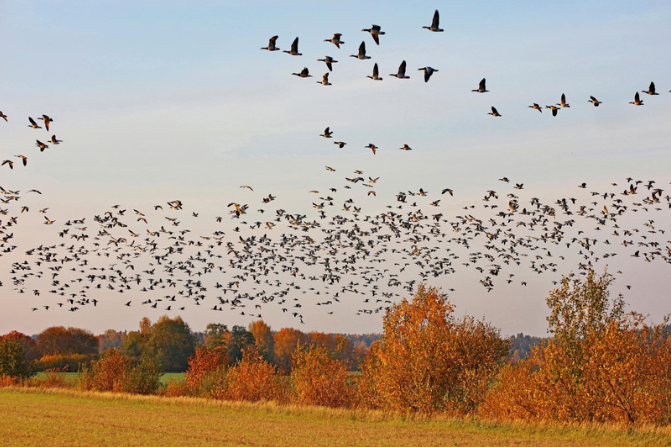
Look Up: The Incredible Fall Migration Happening Over Connecticut This October
While everyone is watching the leaves change, something extraordinary is happening in the skies above Connecticut.
October in Connecticut is usually all about what we see on the ground.
Pumpkin patches are busy. Apple orchards welcome weekend visitors. Country roads turn brilliant shades of red, orange, and gold. And everyone seems to be searching for the perfect place to enjoy New England's fall foliage.
But this October, there's another seasonal wonder worth discovering.
And you might have to look up to see it.
High above Connecticut's forests, rivers, neighborhoods, and coastline, countless birds are making one of nature's most remarkable journeys.
Some are traveling hundreds of miles. Others will continue thousands of miles toward warmer wintering grounds.
Many are passing through Connecticut on their way south, using the state's shoreline, woodlands, wetlands, and open spaces as places to rest and refuel.
It's called fall bird migration.
And once you begin noticing it, you may never look at an October sky quite the same way again.
Connecticut's Fall Season Has a Hidden Story
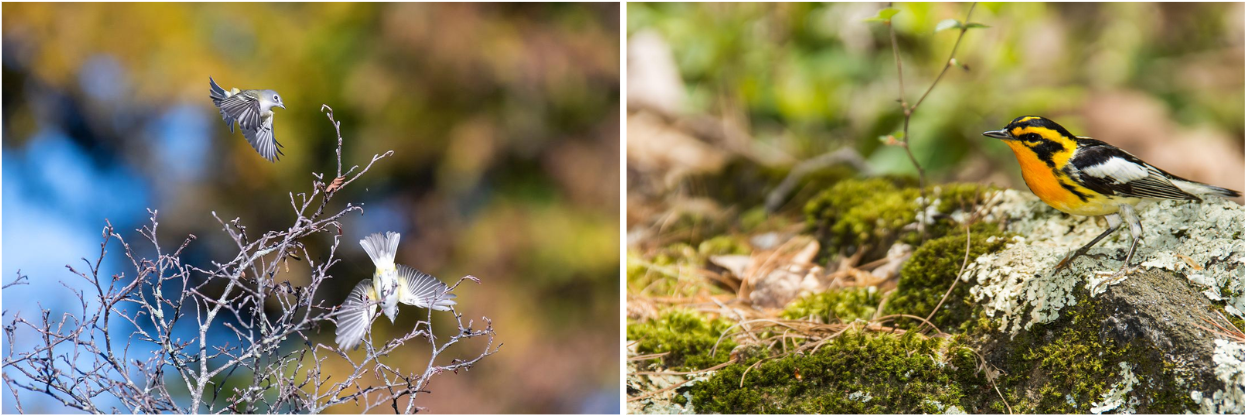
Fall in Connecticut is known for its beauty, but much of the season's activity happens quietly.
While trees prepare for winter and temperatures begin to drop, birds respond to changing daylight, food availability, and seasonal instincts.
For many species, October is an important part of their journey south.
Some birds have already started moving by late summer. Others continue migrating well into November.
The timing varies by species, weather, and location.
That means migration isn't one single event happening on one particular weekend.
It's a season of movement.
A flock passing overhead in the morning, a hawk circling above a ridge, or an unfamiliar bird visiting your backyard could all be part of a much larger journey.
And the most surprising part?
You don't need to travel far to experience it.
Sometimes, all you have to do is step outside.
Why Connecticut Is an Important Stop Along the Way
Connecticut's location in southern New England places it along migration routes used by birds traveling between northern breeding areas and wintering grounds farther south.
The state's geography provides a valuable combination of habitats.
Forests offer shelter and food for migrating songbirds.
Rivers and wetlands attract waterfowl and other species that depend on aquatic environments.
Open fields provide hunting grounds for certain birds of prey.
And the Long Island Sound shoreline creates important opportunities for coastal birds to feed and rest.
Together, these landscapes help make Connecticut a meaningful stop during fall migration.
Think of it as a network of natural rest stops.
Just as travelers need places to pause during a long drive, migrating birds need safe locations to recover energy and find food.
For some birds, Connecticut is a temporary stop.
For others, it's part of their seasonal home.
And for people who love nature, October offers an opportunity to appreciate how connected our local environment is to the wider world.
The Incredible Journey Happening Above Our Heads
One of the most fascinating things about bird migration is how much of it goes unnoticed.
Many songbirds migrate at night.
While Connecticut neighborhoods are quiet and most people are asleep, birds may be traveling overhead under the stars.
Some navigate using a combination of environmental cues, including Earth's magnetic field, stars, and landscape features.
Others rely on favorable winds to help conserve energy during their journey.
By morning, some of those travelers may have landed in a nearby park, wooded backyard, or nature preserve.
That means the birds you notice during an October walk may not have been there the day before.
They could be passing through for only a short time before continuing south.
It's an extraordinary thought.
The same familiar trail you walk throughout the year can become a temporary home for birds arriving from hundreds of miles away.
October Is a Wonderful Time to Watch Hawks
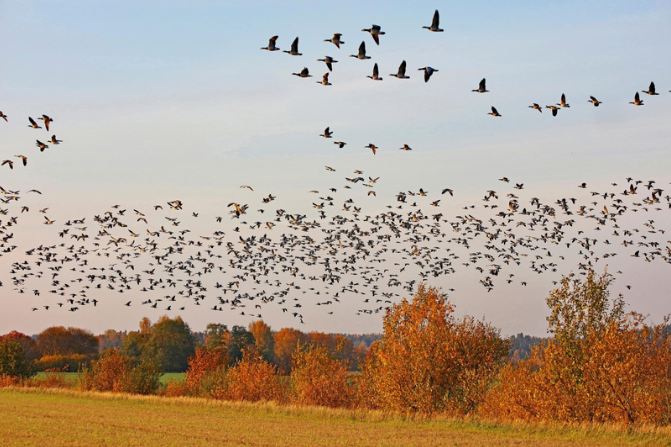
For many Connecticut birdwatchers, fall means hawk-watching season.
As temperatures change, migrating birds of prey travel south, sometimes using rising air currents and favorable winds to help them move efficiently.
Hawks can be especially exciting to observe because they often travel during daylight hours.
Depending on the location and timing, observers may spot species such as sharp-shinned hawks, Cooper's hawks, red-tailed hawks, and other migrating raptors.
Some glide across the sky almost effortlessly.
Others circle high overhead before continuing on their journey.
You don't need to identify every species to enjoy the experience.
Watching a hawk soar above a colorful autumn hillside can be memorable all on its own.
And for beginners, it's a wonderful introduction to the world of birdwatching.
A pair of binoculars can help, but even watching with the naked eye can reveal surprising activity overhead.
The Connecticut Shoreline Has Its Own Migration Magic
When people think about Connecticut in October, they often picture the hills of Litchfield County or winding roads lined with colorful trees.
But the shoreline has its own fall story.
Along Long Island Sound, coastal habitats support a variety of birds during seasonal migration.
Salt marshes, tidal flats, beaches, and coastal preserves can provide feeding and resting areas.
Depending on the species and time of year, visitors may observe waterfowl, gulls, shorebirds, herons, and other coastal wildlife.
Some shorebird species migrate earlier in the fall, while different ducks and waterbirds become more noticeable as the season progresses.
This changing mix makes the shoreline interesting throughout autumn.
Places such as Connecticut Audubon Society Coastal Center at Milford Point and Hammonasset Beach State Park are well-known destinations for birdwatching and coastal nature experiences.
A visit can feel completely different from a traditional beach day.
Instead of swimming or sunbathing, you might find yourself watching birds feed along the water's edge, listening to calls across the marsh, or simply enjoying the quiet beauty of the coastline.
It's a reminder that Connecticut's beaches don't stop being interesting when summer ends.
In many ways, autumn gives them a whole new personality.
Connecticut's Forests Are Full of Unexpected Visitors
Not every migrating bird is easy to spot against an open sky.
Some of the most interesting activity happens in the trees.
Woodlands, wooded parks, and forest edges can attract migrating songbirds searching for insects, seeds, berries, and shelter.
Warblers, sparrows, thrushes, and other small birds move through different habitats during fall, although their migration peaks vary.
And because many species change appearance between spring and autumn, identifying them can be a fun challenge.
But birdwatching doesn't have to be complicated.
Start by noticing movement.
Watch for branches shaking.
Listen for unfamiliar calls.
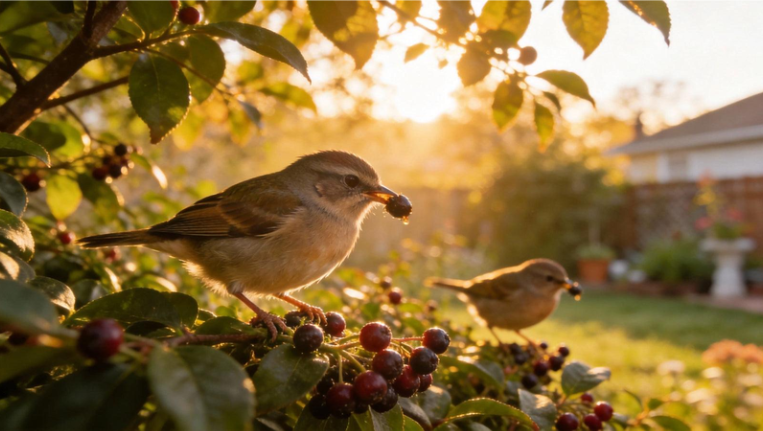
Look for birds moving through shrubs or gathering around berry-producing plants.
You may be surprised by how much life is happening in places you've walked past hundreds of times.
And that may be one of the best things about fall bird migration.
It encourages us to see familiar Connecticut landscapes with fresh eyes.
Some of Connecticut's Best Birdwatching Spots Are Closer Than You Think
One of the best things about Connecticut birdwatching is the variety of places where you can enjoy it.
You don't have to travel to a remote wilderness area.
A local park, wooded trail, nature sanctuary, or stretch of shoreline can offer a rewarding experience.
For anyone interested in exploring a little farther, Connecticut has several well-known birdwatching destinations.
Lighthouse Point Park
This coastal park in New Haven is especially popular for fall hawk-watching. September through November is an important period for migrating raptors, with October often offering excellent opportunities to observe birds of prey.
Hammonasset Beach State Park
With beaches, marshes, open spaces, and wooded areas, Hammonasset provides habitat for many bird species. It's a wonderful destination for combining an autumn shoreline walk with wildlife watching.
Connecticut Audubon Society Coastal Center at Milford Point
Located near the mouth of the Housatonic River, this coastal sanctuary offers access to marshes, dunes, and shoreline habitats. More than 300 bird species have been recorded in the area, making it a particularly interesting destination for bird enthusiasts.
Bluff Point State Park
This coastal preserve offers trails through wooded areas and along the shoreline. Its geography makes it an important stop for migrating songbirds, particularly earlier in the fall.
Each destination offers a different experience.
Some are perfect for watching birds overhead. Others invite you to explore wooded trails or quietly observe wildlife along the water.
And because migration conditions change with weather and season, no two visits are exactly alike.
You Don't Need to Be an Expert to Start Birdwatching
One of the biggest misconceptions about birdwatching is that you need expensive equipment or years of experience.
You don't.
In fact, some of the most enjoyable birdwatching experiences begin with simple curiosity.
Start with a short walk through a local park or nature trail.
Pay attention to the sounds around you.
Notice where birds gather, how they move, and what they're doing.
If you have binoculars, bring them. If not, start by watching larger birds or listening for bird calls.
A field guide or bird identification app can help you learn about unfamiliar species.
And don't worry if you can't identify everything.
The goal isn't to create the longest bird list.
It's to become more aware of the natural world around you.
You might discover that a tree you pass every morning is a favorite resting spot for migrating birds.
Or that a nearby pond attracts different visitors as the weather changes.
Once you start noticing these things, even an ordinary walk can become an adventure.
October 2026: Connecticut's Bird-Friendly Fall
This year, there's another reason to pay attention to Connecticut's migrating birds.
The Connecticut Audubon Society is celebrating Bird-Friendly Fall 2026, a statewide initiative running from September 1 through November 30.
The program includes bird walks, educational activities, and opportunities for people of different ages and experience levels to learn about migration and bird conservation.
According to Connecticut Audubon, fall migration is actually larger than spring migration in terms of the total number of birds moving across the continent.
And on especially active nights, millions of birds can pass over Connecticut.
That's an incredible amount of wildlife moving above our communities, often without anyone noticing.
The initiative also encourages residents to take simple steps to make their homes and neighborhoods safer for migrating birds.
For those interested in joining a guided experience, The Audubon Shop has a fall migration bird walk scheduled at Hammonasset Beach State Park on Saturday, October 24, 2026, from 8:00 to 10:30 a.m., with beginners welcome. Check the organizer's details before attending.
You can explore additional opportunities through the official Bird-Friendly Fall 2026 program.
How to Make Your Own Backyard More Bird-Friendly
You don't need a large property or acres of woodland to help migrating birds.
Even small outdoor spaces can make a difference.
One of the most useful things homeowners can do is provide habitat.
Native trees, shrubs, and flowering plants can offer food, shelter, and places for birds to rest.
Berry-producing native plants may provide seasonal food, while seed-bearing flowers can support birds and other wildlife.
Leaving some fallen leaves beneath shrubs and garden beds can also benefit insects and other organisms that birds depend on.
Fresh water can be another welcome resource, especially when it's kept clean and accessible.
And if you have bird feeders, regular cleaning is important for reducing the spread of disease.
These changes don't require turning your yard into a nature preserve.
They're simply ways to make the outdoor spaces around our homes a little more welcoming to wildlife.
One Small Change That Could Help Birds Travel Safely
There's another important part of fall migration that many Connecticut residents may not realize.
A large number of migrating birds travel at night.
Artificial lighting can disorient them, especially around buildings and windows.
That's why initiatives such as Lights Out Connecticut encourage residents and businesses to reduce unnecessary nighttime lighting during migration season.
Turning off nonessential exterior lights, closing blinds when indoor lights are on, and making large windows more visible to birds can help reduce collision risks.
Connecticut Audubon encourages people to reduce unnecessary lighting during the fall migration period, particularly from mid-August through mid-November.
It's a small reminder that protecting wildlife doesn't always require a major project.
Sometimes, helping nature begins with something as simple as turning off a light.
Why Birdwatching Changes the Way You Experience Fall
Most of us experience autumn through familiar traditions.
We visit pumpkin patches, pick apples, take scenic drives, and photograph colorful trees.
And those experiences are wonderful.
But birdwatching adds something different.
It encourages patience.
Instead of rushing to the next destination, you begin paying attention to what's happening right where you are.
You notice movement in the treetops.
You recognize a familiar bird call.
You watch a flock gather overhead and wonder where they're going.
The landscape becomes more than a beautiful backdrop.
It becomes a living environment filled with activity, connections, and stories.
And perhaps that's why birdwatching can be so rewarding.
It reminds us that nature is always doing something extraordinary, even when we're too busy to notice.
A Simple October Birdwatching Morning in Connecticut
If you're looking for a different fall activity in Connecticut, try dedicating one morning to birdwatching.
Choose a nearby park, nature preserve, wooded trail, or coastal destination.
Head out early, when many birds are actively searching for food.
Dress in layers, bring comfortable shoes, and pack binoculars if you have them.
Spend the first few minutes simply listening.
You may hear birds before you see them.
Walk slowly and pause often.
Look toward the treetops, shrubs, and open sky.
If you're visiting a coastal preserve, spend some time watching the shoreline or marsh.
And if you're lucky enough to spot something unfamiliar, take a moment to appreciate it before reaching for your phone.
You don't need to see dozens of species to have a successful morning.
Sometimes, one unexpected encounter is enough to make the experience memorable.
Afterward, stop at a local café, explore a nearby town, or continue your day with another favorite October activity.
It's an easy way to add something new to your usual fall routine.
The Beauty of Connecticut Is More Than Its Scenery
Connecticut is filled with places that make people fall in love with New England.
Historic towns, winding country roads, peaceful forests, scenic coastlines, and colorful autumn landscapes are all part of what makes the state special.
But the natural world is just as important to the character of these communities.
Parks provide places to explore.
Wetlands support wildlife.
Forests offer quiet escapes.
And even neighborhood trees and backyard gardens contribute to the environment we experience every day.
When we protect these spaces, we're doing more than helping birds.
We're preserving part of the beauty, character, and quality of life that make Connecticut such a wonderful place to live.
Fall migration offers a chance to appreciate that connection.
It shows us that our local landscapes are part of something much larger.
And it reminds us that even the smallest outdoor spaces can have a purpose.
Final Thoughts: This October, Don't Forget to Look Up
October in Connecticut will always be known for its colorful leaves, crisp mornings, apple orchards, and beautiful country roads.
But this year, consider adding something unexpected to your fall plans.
Look up.
Watch the sky above your neighborhood.
Take a quiet walk through a nature preserve.
Visit the shoreline and see which birds have stopped along their journey.
Listen a little more closely when you're outside.
You might discover that one of Connecticut's most remarkable autumn experiences has been happening above you all along.
Because while the leaves are changing below, an incredible journey is unfolding overhead.
This October, don't just watch the leaves fall. Watch the skies come alive.

Sandie Terenzi
CEO, Broker Associate | Sandie Terenzi | Keller Williams Legacy Partners | PLACE
or another way